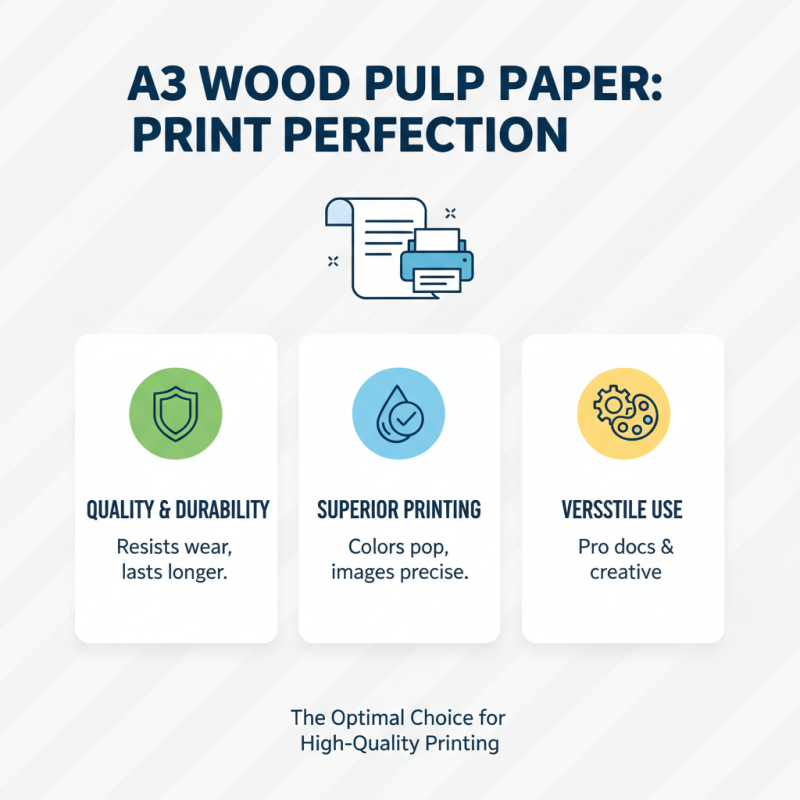
What is A3 Wood Pulp Paper and Why is it Essential for Your Printing Needs
When it comes to choosing the right paper for printing, A3 Wood Pulp Paper stands out as a top contender. This versatile paper size, combined with the quality of wood pulp, offers numerous advantages for a variety of printing needs. Whether you're preparing professional documents, artistic prints, or vital marketing materials, A3 Wood Pulp Paper provides the durability and functionality required to achieve excellent results.
Understanding the characteristics of A3 Wood Pulp Paper is essential for anyone in the printing industry or those engaged in personal printing projects. The unique properties of wood pulp not only enhance the paper's strength and flexibility but also make it suitable for high-resolution printing, ensuring that images and texts are vivid and clear. In this exploration, we will delve into the benefits of A3 Wood Pulp Paper, its applications, and why it is an indispensable choice for your printing requirements.
Understanding A3 Wood Pulp Paper: Definition and Characteristics
A3 wood pulp paper is a specially processed paper made primarily from wood fibers, which plays a crucial role in various printing applications. This type of paper is characterized by its high whiteness, smooth surface, and excellent printability, making it ideal for professional and commercial printing. According to industry reports, paper made from wood pulp accounts for over 80% of the global paper market, underscoring its importance. The cellulose fibers in wood pulp provide the paper with durability and enhanced ink absorption, resulting in sharp, vibrant prints.
When selecting A3 wood pulp paper for your printing needs, consider the weight and brightness that best suits your project. Lighter weights, around 80-100 gsm, are excellent for everyday printing, while heavier options, such as 120-160 gsm, are more suitable for high-quality brochures and presentations.
**Tips:**
1. Always check the paper specifications to ensure compatibility with your printer.
2. For color printing, opt for bright white paper to enhance color vibrancy.
3. Store your A3 wood pulp paper in a cool, dry place to prevent moisture absorption, which can affect print quality.
What is A3 Wood Pulp Paper and Why is it Essential for Your Printing Needs
| Characteristic |
Description |
| Definition |
A3 wood pulp paper is a type of paper made from wood pulp that is specifically sized at A3 (297mm x 420mm) dimensions. |
| Composition |
Composed primarily of cellulose fibers derived from trees, it offers strength and durability. |
| Weight |
Typically available in weights ranging from 70 to 300 gsm, suitable for various printing needs. |
| Brightness |
Offers brightness levels from 80% to 100%, enhancing print quality. |
| Surface Finish |
Available in various finishes like matte, glossy, and satin to cater to different printing techniques. |
| Applications |
Commonly used for brochures, flyers, posters, and any print materials requiring high-quality output. |
| Environmental Impact |
Sourced from sustainably managed forests and often recyclable, making it an eco-friendly choice. |
The Composition of A3 Wood Pulp Paper and Its Environmental Impact
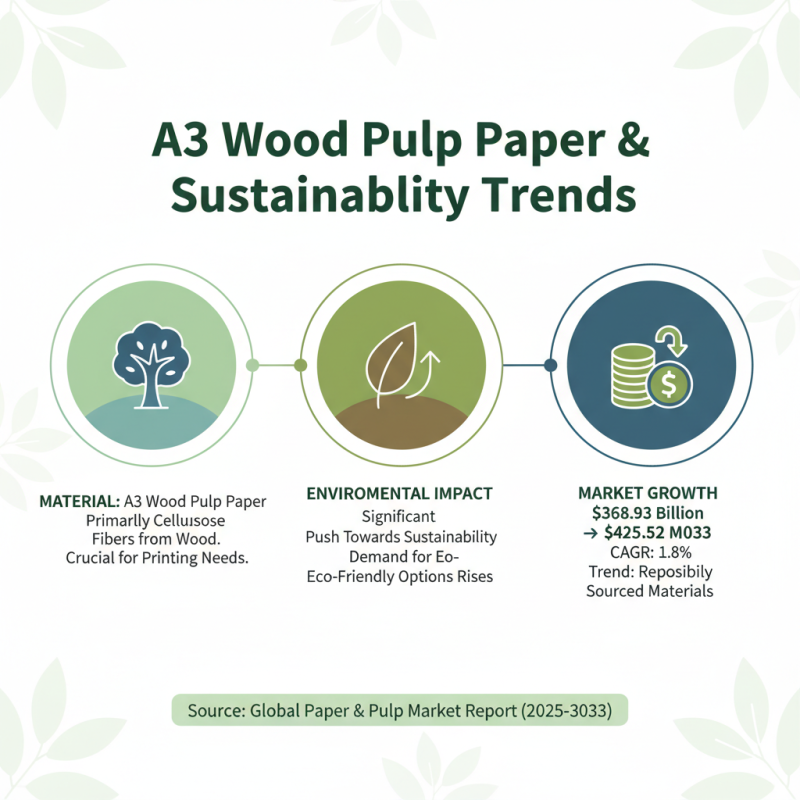
A3 wood pulp paper is a crucial material for various printing needs, composed primarily of cellulose fibers derived from wood. Its environmental impact is significant, especially in the context of the global push towards sustainability. As the paper and pulp market is projected to grow from $368.93 billion in 2025 to $425.52 billion by 2033, with a compound annual growth rate (CAGR) of 1.8%, the demand for environmentally friendly options like A3 wood pulp paper is increasing. This growth reflects a broader trend in the industry towards responsibly sourced materials and eco-conscious manufacturing processes.
Tips: When selecting paper products, consider those that utilize sustainable practices in their production. Look for certifications that indicate responsible sourcing, such as FSC or PEFC, to ensure that the paper you choose contributes to forest conservation and biodiversity.
Moreover, individuals and businesses can significantly reduce their environmental footprint by following the principles of “reducing, reusing, and recycling” when it comes to paper consumption. Promoting awareness about the responsible use of paper can encourage healthier environmental practices and lead to a culture of respect for such valuable resources.
Benefits of Using A3 Wood Pulp Paper for Printing and Publishing
A3 wood pulp paper holds a significant place in the printing and publishing industry due to its exceptional quality and versatility. One of the primary benefits of using A3 wood pulp paper is its superior printability. According to a report by Smithers Pira, papers made from wood pulp offer a higher brightness and smoother surface, which results in sharper images and clearer texts. This quality is particularly important for high-end publishing and marketing materials where visual impact can greatly influence consumer engagement.
Another advantage of A3 wood pulp paper is its environmental sustainability. Many manufacturers are now producing eco-friendly versions that utilize responsibly sourced wood fibers, contributing to sustainable forestry practices. A study from the Forest Stewardship Council (FSC) indicates that products bearing the FSC label ensure that materials come from well-managed forests, promoting environmental preservation. This aspect is increasingly appealing to consumers who prefer brands with green initiatives.
Tips: When selecting A3 wood pulp paper for your printing needs, consider the paper weight and finish that align with your project requirements. A heavier weight can enhance durability for frequent handling, while a glossy finish may enhance image vibrancy for marketing flyers. Additionally, always check for certifications that confirm the paper's sustainability credentials, ensuring your choices reflect your values.
Comparing A3 Wood Pulp Paper to Other Types of Paper Products
When considering the best options for printing, A3 wood pulp paper stands out due to its unique combination of quality and versatility. Unlike other types of paper, which might prioritize cost over performance, A3 wood pulp paper provides a balance between durability and smoothness that enhances the printing experience. Its fine texture allows for superior ink absorption, resulting in vibrant colors and sharp images, making it an essential choice for high-quality printing needs, whether for professional documents or creative projects.
Comparatively, while specialty papers may offer specific advantages for niche applications, many do not match the all-around functionality of A3 wood pulp paper. Other common paper products, such as recycled paper, might carry environmental benefits but can compromise on texture and printing fidelity. Thus, for those requiring reliable and pristine results, A3 wood pulp paper remains a top contender in the market, catering efficiently to various printing demands while ensuring an excellent finish in every project.
How to Choose the Right A3 Wood Pulp Paper for Your Printing Projects
When selecting the right A3 wood pulp paper for your printing projects, consider the specific requirements of your print job. Different projects might necessitate varying weights and finishes of paper. Heavier substrates, typically ranging from 160 to 250 gsm, are ideal for professional-quality brochures and flyers, providing durability and a premium feel. Conversely, lighter weight paper, around 80 to 120 gsm, works well for everyday printing tasks such as internal documents and reports.
Also, pay attention to the finish of the paper. Glossy finishes are perfect for vibrant images and color-heavy prints, as they enhance the brightness and sharpness of colors. Matte finishes, on the other hand, are preferable for text-heavy documents, offering a more subdued and elegant appearance. Additionally, ensure that the paper you choose is compatible with your printer, as some high-quality papers may require specific ink types or settings for optimal results. By understanding your project’s needs and the characteristics of different A3 wood pulp papers, you can make an informed choice that elevates the quality of your printed materials.